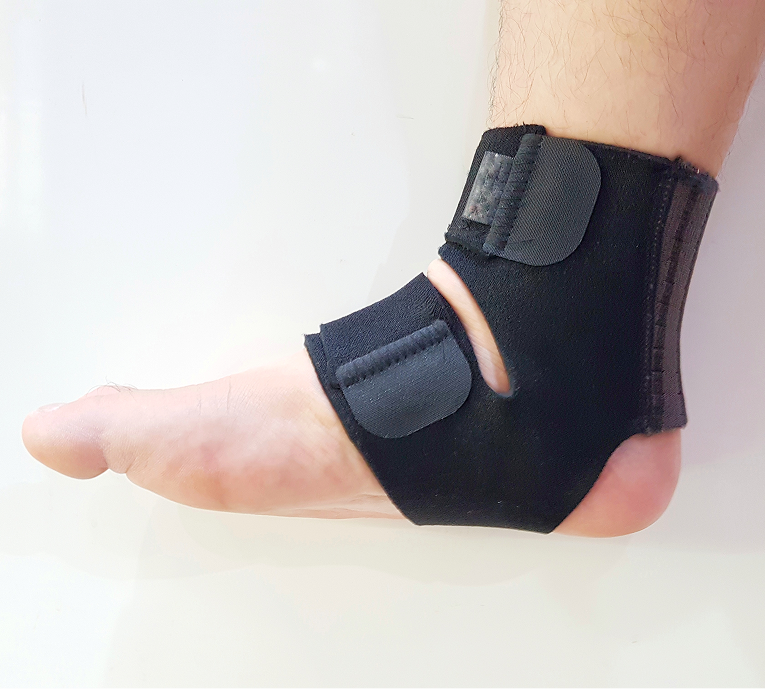
Ankle bracing provides external support to stabilize the joint, reduce strain, and improve alignment during movement. It is often used to manage instability, protect healing tissue, and prevent recurrent irritation.
Biopsies involve removing a small tissue sample to evaluate skin, nail, or soft tissue changes that require further analysis. This helps identify underlying causes and guide appropriate clinical management.
Cortisone injections help reduce inflammation within irritated joints or soft tissues, offering relief when discomfort limits mobility. They are used to calm localized irritation and support improved function.
Custom orthotics are tailored inserts designed to support foot mechanics, reduce strain, and improve alignment during daily activity. They help address structural imbalances and enhance long-term comfort.
Foot and ankle surgery addresses structural issues, deformities, or injuries that do not improve with conservative care. Surgical evaluation helps restore function, reduce discomfort, and improve long-term stability.
Laser therapy targets fungal organisms within the nail using focused light energy, helping improve nail appearance over time. It is used when discoloration or thickening persists despite other measures.
Ligament and tendon repairs address structural damage that affects stability or movement, restoring proper function to the foot or ankle. This approach supports long-term strength and improved mobility.
Limb salvage focuses on preserving foot and ankle function when circulation, wounds, or structural issues place tissue at risk. Comprehensive evaluation helps protect long-term mobility and prevent complications.
Nerve and tendon repair addresses injuries that disrupt movement or sensation, restoring proper function to affected areas. This approach supports improved mobility and long-term recovery.
PRP therapy uses concentrated platelets to support healing in irritated or injured tissues, helping reduce discomfort and improve function. It is often used when inflammation persists despite conservative care.
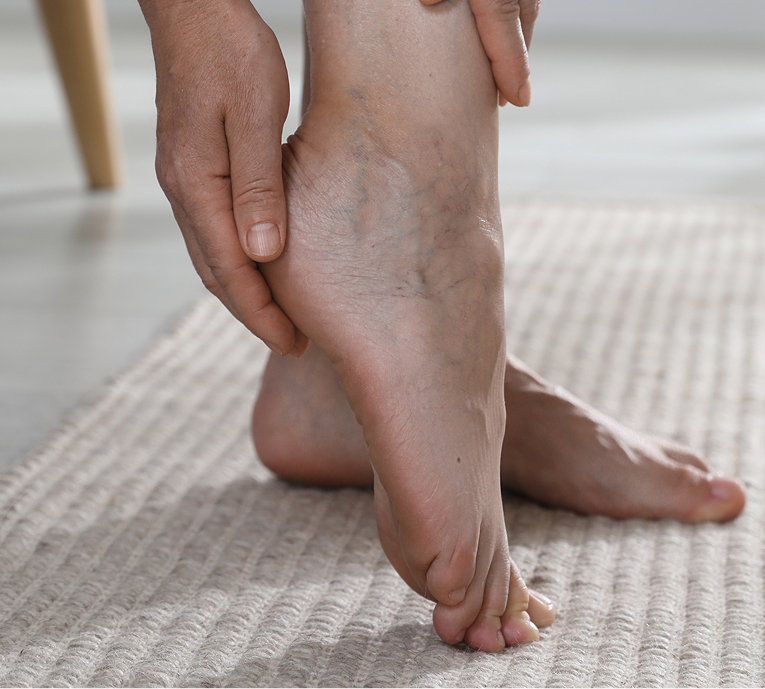
Sclerotherapy treats visible veins by injecting a solution that helps close affected vessels, improving appearance and reducing irritation. It is commonly used for spider veins and small varicose veins.
Soundwave therapy uses acoustic energy to stimulate tissue healing and reduce irritation in chronic conditions. It supports improved mobility when discomfort persists over time.
Wart removal targets viral lesions on the foot using methods designed to eliminate affected tissue and prevent recurrence. Early treatment helps reduce discomfort and limit spread.
Wound care focuses on evaluating and managing foot wounds to support healing and protect surrounding tissue. This approach is essential when circulation or sensation changes affect recovery.